

Cash and Debt Management
TRICKS OF THE TRADE
Cash and Debt Management
Prepared by Michael Menninger, CFP®
CASH AND DEBT MANAGEMENT
Personal finance starts with cash management, which can make or break financial success. At its core, cash management means measuring income and expenses— ideally, income exceeds expenses. We expand this concept to include debt management because tackling debt is often the first step toward financial efficiency. This article offers practical strategies to improve financial health through cash and debt management.
DEVELOP A BALANCE SHEET
Begin by creating a balance sheet listing assets and debts. Include assets such as retirement plans, rental properties, and other items you could sell for cash. Exclude essentials like your home and car, though home equity can be important later. Then list all debts with interest rates and monthly payments. Remember: monthly bills like mortgage/rent, utilities, and insurance are expenses, not debts.
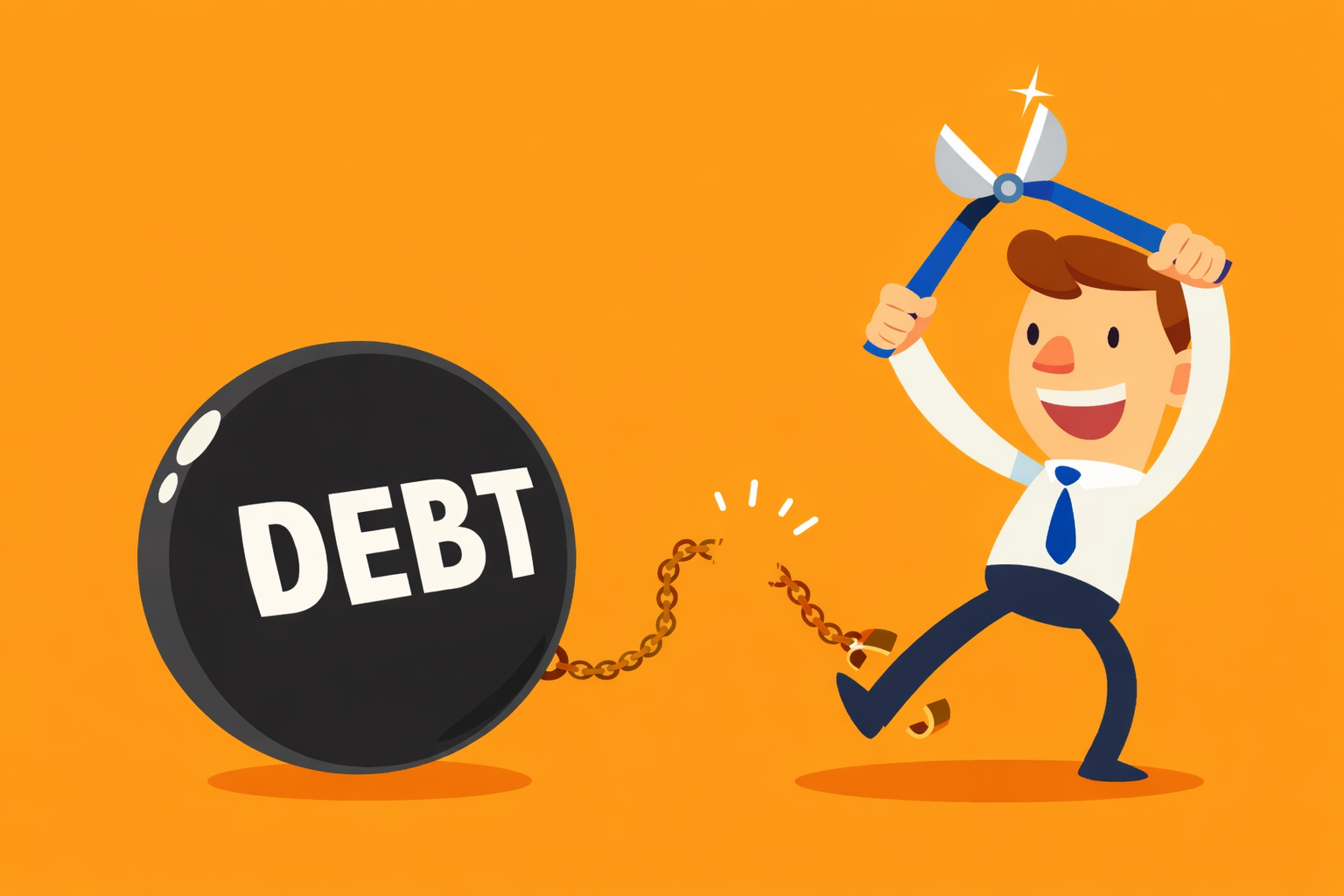
Debt Management is often the starting point for improving cash flow. Identify high-interest debts like credit cards and short-term purchases. Compare these to liquid assets such as savings or CDs. For example, a $10,000 debt at 24% costs $200 monthly in interest, while the same amount in savings at 3% earns only $25. Paying off debt with savings could save $175 monthly—a significant boost to cash low.
EMERGENCY RESERVE
Emergency Reserve—Financial planning textbooks recommend 3–6 months of expenses as an emergency reserve. However, most emergencies are insurable except car/home repairs and job loss. Paying off debt may reduce your reserve, so consider alternatives rather than eliminating it entirely.
Line of Credit—Instead of holding large cash reserves, consider a line of credit (LOC) for emergencies. LOCs are typically free to maintain, and you pay interest only on borrowed amounts. Unsecured LOC rates may range from 10–12%, far better than 24% on credit cards. For instance, a $10,000 LOC could replace emergency cash used to pay down debt, saving $175 monthly. Homeowners may qualify for a Home Equity Line of Credit (HELOC), which offers lower rates and higher limits. HELOCs require underwriting and take 30–45 days to set up. Some use HELOCs for both debt consolidation and emergency reserves. Fixed-rate home equity loans can also consolidate debt, lowering monthly payments and total interest over time.
INCOME AND EXPENSES
Income–Increasing income through overtime or a second job is possible but often impractical. Adjusting tax withholdings can improve monthly cash flow if you typically receive a large refund, though you’ll forgo that lump sum later.
Expenses–Most people underestimate expenses by about 30%, mainly due to discretionary spending. Understand the difference between needs and wants, and set priorities. Tracking expenses—even small ones—can be eye-opening. Apps like Rocket Money can help track your expenses and identify and cancel unnecessary subscriptions.
CONCLUSION
Cash management is the foundation of financial health. Reducing high-interest debt and unnecessary spending frees money for savings and goals like retirement, education, or vacations. Once you gain control, you can prioritize and redirect income toward what matters most. If you have any questions, or seek further guidance, please feel free to contact Menninger & Associates at (610) 422-3773, or visit our website at www.maaplanning.com.
The opinions voiced in this content are for general information only and are not intended to provide specific advice or recommendations for any individual. To determine which strategies or investments may be suitable for you, consult the appropriate qualified professional prior to making a decision.

